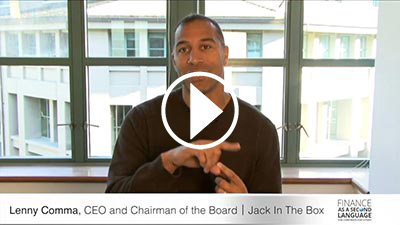
CEO and Chairman of the Board
Jack In The Box

CEO and Managing Director
MCB Deutschland GmbH
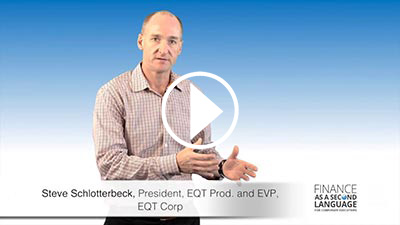
President, EQT Production
EVP, EQT Corporation

President
Balco Properties

CEO, Chairman, Co-Founder
4D Molecular Therapeutics
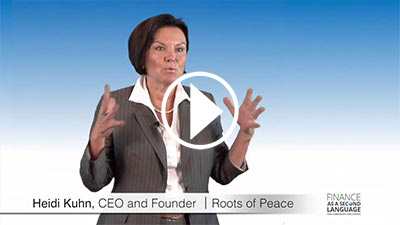
CEO and Founder
Roots of Peace

CEO
TheraCell

CEO
Aviva Investors
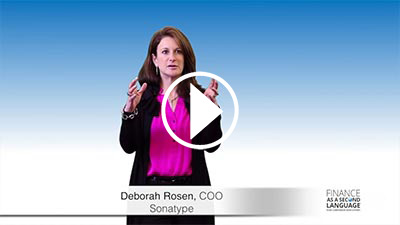
COO
Sonatype
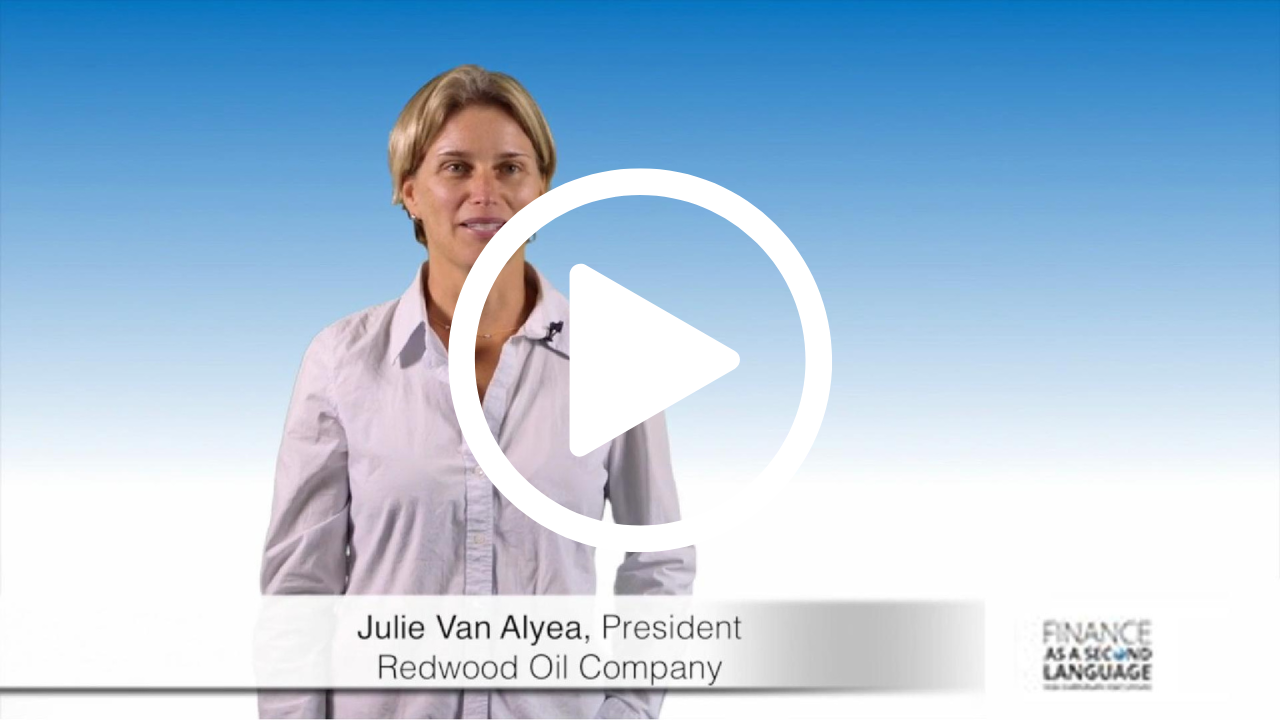
President
Redwood Oil Company

GM and Chief Science Officer
Bioseek

COO and VP
Tremendous Entertainment

General Manager
Gene Fresh
General Manager
GTECH Corporation
SVP, R&D
Genentech

General Manager
Newport Corporation

General Manager and Co-Founder
IGN Entertainment
EVP
Evotec

General Manager and VP, RF Solutions
Maxim Integrated Products

SVP, Regional Sales
Aero Precision Industries, LLC.

CFO
Red Mountain Behavioral Health
SVP, Strategic Initiatives
Gannett Company

SVP & GM, Platform & Central Services
Kabam

SVP, Chief Strategy Officer
Fairchild Semiconductor Corporation

MD, Physician Director
Palo Alto Medical Foundation
VP, Laser Product Marketing
Ultratech
VP, Services
Cisco – newScale
VP, Preclinical Development
Nektar Therapeutics

VP, Engineering
Micrel

VP, Projects and Process
Emerson Process Management

VP, Sales
Altair/Marchon Eyewear

Managing Dir., Customer Experience
Alaska Airlines

VP, Critical Accounts
Oracle Corporation

Senior Designer
Levi Strauss & Co.

Senior Director, Corporate Affairs
Onyx Pharmaceuticals

Director, Content Development
LexisNexis

Global Partnerships
Adobe Systems Inc.

Director, Substrate & Packaging
Intel
Director of Innovation
IMA Financial Group

VP Direct Mktg., Sales & Operations
Ideal Living

Senior Director, Sales
Ubisoft
Senior Director, Product Management
Hewlett Packard

Director, ISV Sales
Salesforce.com
Director, Marketing
Bio-Rad Laboratories
VP, Market Development
E.ON

VP, Marketing & Communications
Meritor

Executive Director, Program Mgmt.
Amgen

Senior Director, Program Mgmt.
TIBCO Software

Director, R&D
VMware

Director, Global NanoPort
FEI Company

Director, Commercial Strategy
Gilead Sciences
Sr. Dir., Program Management
Affymetrix, Thermo Fisher Scientific

Director, User Experience
Varian Medical Systems

Director, Analytics & Insight
Western Digital Corporation

Director, IT
Levi Strauss

Director, Service Delivery
Ericsson

Senior Product Manager
VMware, Inc.

Sr. Mgr., Treatment Planning Portfolio
Varian Medical Systems

Corporate Strategy Analyst
Cubic Corporation

Strategic Partner Manager
Google, Inc.

Senior Manager, Advanced Services
Juniper Networks

Manager, Business Development
Roche Molecular Systems

Manager, Project Development
Calpine

Partner
PA Consulting Group

Group Manager, Prod. Mgmt.
Hewlett Packard Enterprise
Sr. Mgr., Product Management
Cisco Systems, Inc.
Senior Product Manager
ResMed
SVP, Regional Sales
Aero Precision Industries, LLC.
VP, Sales
Altair/Marchon Eyewear
VP, Critical Accounts
Oracle Corporation
Senior Director, Corporate Affairs
Onyx Pharmaceuticals
Global Partnerships
Adobe Systems Inc.
VP Direct Mktg., Sales & Operations
Ideal Living
Senior Director, Sales
Ubisoft
Director, ISV Sales
Salesforce.com
Director, Marketing
Bio-Rad Laboratories
VP, Market Development
E.ON
VP, Marketing & Communications
Meritor
Director, Global NanoPort
FEI Company
Strategic Partner Manager
Google, Inc.

Executive Director, Bus. Dev.
Nektar Therapeutics
COO
Sonatype
COO and VP
Tremendous Entertainment
MD, Physician Director
Palo Alto Medical Foundation
Managing Dir., Customer Experience
Alaska Airlines
Director, Content Development
LexisNexis
Senior Manager, Advanced Services
Juniper Networks
Partner
PA Consulting Group
SVP, Chief Strategy Officer
Fairchild Semiconductor Corporation
Director, IT
Levi Strauss
Director, Service Delivery
Ericsson
SVP & GM, Platform & Central Services
Kabam
VP, Laser Product Marketing
Ultratech
VP, Services
Cisco – newScale
Senior Designer
Levi Strauss & Co.
Director of Innovation
IMA Financial Group
Senior Director, Product Management
Hewlett Packard
Executive Director, Program Mgmt.
Amgen
Senior Director, Program Mgmt.
TIBCO Software
Director, Commercial Strategy
Gilead Sciences
Sr. Mgr., Treatment Planning Portfolio
Varian Medical Systems
Manager, Business Development
Roche Molecular Systems

Sr. Director, Product Mgmt., Graphics
Corel Corporation
SVP, Chief Strategy Officer
Fairchild Semiconductor Corporation
Sr. Dir., Program Management
Affymetrix, Thermo Fisher Scientific
Director, User Experience
Varian Medical Systems
Senior Product Manager
VMware, Inc.
Group Manager, Prod. Mgmt.
Hewlett Packard Enterprise
Sr. Mgr., Product Management
Cisco Systems, Inc.
Senior Product Manager
ResMed
President, EQT Production
EVP, EQT Corporation
VP, Engineering
Micrel
VP, Projects and Process
Emerson Process Management
Director, Substrate & Packaging
Intel
Senior Director, Program Mgmt.
TIBCO Software
Director, R&D
VMware
Manager, Project Development
Calpine
Director, User Experience
Varian Medical Systems
Director, Analytics & Insight
Western Digital Corporation
General Manager
Newport Corporation
General Manager and VP, RF Solutions
Maxim Integrated Products
VP, Laser Product Marketing
Ultratech
VP, Engineering
Micrel
Director, Substrate & Packaging
Intel
Senior Director, Product Management
Hewlett Packard
Director, Global NanoPort
FEI Company
Senior Manager, Advanced Services
Juniper Networks

Senior Director, Sales Operations
Vocera Communications
SVP, Chief Strategy Officer
Fairchild Semiconductor Corporation
Director, User Experience
Varian Medical Systems
Director, Analytics & Insight
Western Digital Corporation
Senior Product Manager
VMware, Inc.
Group Manager, Prod. Mgmt.
Hewlett Packard Enterprise
Sr. Mgr., Product Management
Cisco Systems, Inc.
CEO, Chairman, Co-Founder
4D Molecular Therapeutics
CEO
TheraCell
GM and Chief Science Officer
Bioseek
General Manager
Gene Fresh
SVP, R&D
Genentech
EVP
Evotec
VP, Preclinical Development
Nektar Therapeutics
Senior Director, Corporate Affairs
Onyx Pharmaceuticals
Director, Marketing
Bio-Rad Laboratories
Executive Director, Program Mgmt.
Amgen
Executive Director, Bus. Dev.
Nektar Therapeutics
Sr. Dir., Program Management
Affymetrix, Thermo Fisher Scientific
CEO, Chairman, Co-Founder
4D Molecular Therapeutics
CEO
TheraCell
GM and Chief Science Officer
Bioseek
General Manager
Gene Fresh
SVP, R&D
Genentech
EVP
Evotec
VP, Preclinical Development
Nektar Therapeutics
Senior Director, Corporate Affairs
Onyx Pharmaceuticals
Director, Marketing
Bio-Rad Laboratories
Executive Director, Program Mgmt.
Amgen
Executive Director, Bus. Dev.
Nektar Therapeutics
Sr. Dir., Program Management
Affymetrix, Thermo Fisher Scientific
CEO and Chairman of the Board
Jack In The Box
COO and VP
Tremendous Entertainment
General Manager and Co-Founder
IGN Entertainment
SVP, Strategic Initiatives
Gannett Company
SVP & GM, Platform & Central Services
Kabam
VP, Sales
Altair/Marchon Eyewear
Managing Dir., Customer Experience
Alaska Airlines
Senior Designer
Levi Strauss & Co.
Director of Innovation
IMA Financial Group
Senior Director, Sales
Ubisoft
Director, Commercial Strategy
Gilead Sciences
Manager, Business Development
Roche Molecular Systems
President
Redwood Oil Company
Director, IT
Levi Strauss
COO
Sonatype
VP, Services
Cisco – newScale
VP, Critical Accounts
Oracle Corporation
Global Partnerships
Adobe Systems Inc.
Director, ISV Sales
Salesforce.com
Senior Director, Program Mgmt.
TIBCO Software
Director, R&D
VMware
Strategic Partner Manager
Google, Inc.
Sr. Director, Product Mgmt., Graphics
Corel Corporation
Director, Analytics & Insight
Western Digital Corporation
Director, Service Delivery
Ericsson
Senior Product Manager
VMware, Inc.
Sr. Mgr., Product Management
Cisco Systems, Inc.